Lease or Own? Choosing the Smart Path for Your Business Equipment Strategy
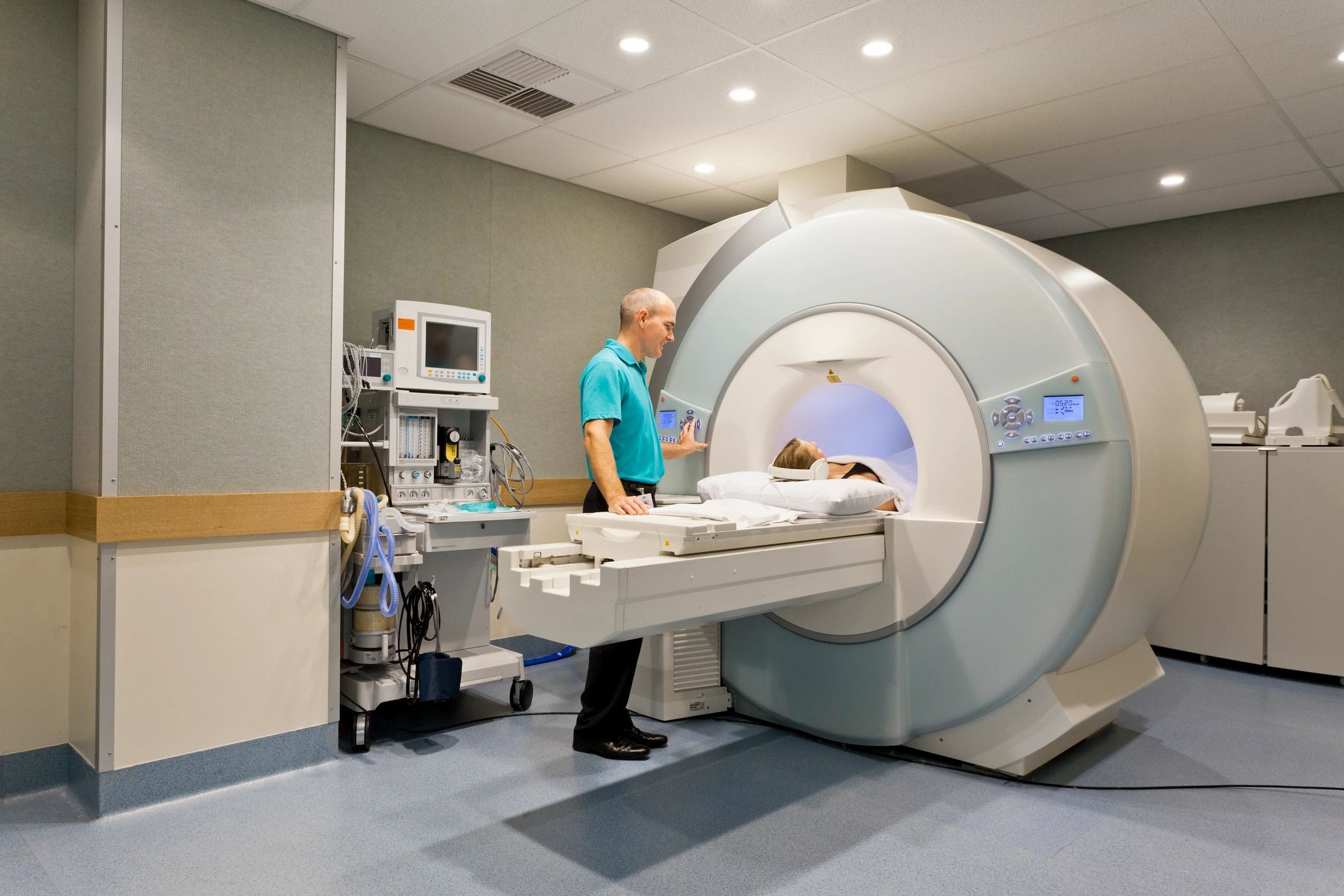
Forklifts, servers, medical imaging systems, CNC machines—equipment powers progress. But whether you’re launching a startup or scaling a seasoned company, one big question looms: Should you lease or purchase?
The decision isn’t just financial—it’s strategic. Leasing and purchasing each offer unique advantages depending on your cash flow, growth vision, and tax goals.
Leasing: Flexibility Without the Weight of Ownership
Lower Initial Costs
Leasing typically requires minimal upfront investment. Your business preserves capital for marketing, payroll, or unexpected expenses.
Access to Latest Technology
Lease terms often include upgrades. You’re not locked into aging equipment—you evolve with the industry.
Fixed Monthly Expenses
Predictable payments make budgeting easier. Plus, maintenance may be bundled into the lease, preventing costly surprises.
Potential Tax Benefits
Lease payments can often be deducted as business expenses. Consult your tax advisor to maximize savings.
Faster Approval & Setup
Leasing companies often streamline credit approvals, especially for newer businesses.
Purchasing: Control, Value, and Long-Term Stability
Full Ownership
No restrictions—modify or sell the equipment as needed. It becomes part of your business’s assets.
Long-Term Cost Efficiency
Over time, buying may be cheaper than leasing, especially for essential equipment with a long lifespan.
Depreciation Deductions
Purchased equipment typically qualifies for tax deductions through depreciation—another way to save.
No Contractual Limitations
You avoid potential lease terms like usage restrictions, wear-and-tear clauses, or early termination fees.
Increased Business Equity
Owned assets strengthen your balance sheet and improve loan eligibility.
🔍 Quick Comparison Table
| Factor | Leasing Equipment | Purchasing Equipment |
| Upfront Cost | Low | High |
| Monthly Cash Flow | Predictable Payments | Variable with loan or capital outlay |
| Ownership | None (Temporary Use) | Full Ownership |
| Upgrade Potential | Easier Equipment Swaps | Must sell or reinvest |
| Tax Strategy | Expense Deduction (Lease Payments) | Depreciation Deduction |
| Flexibility | High (Term, Equipment Changes) | Low (Long-Term Commitment) |
🎯 Final Thought
There’s no one-size-fits-all. Leasing offers agility—ideal for fast-changing industries and startups watching cash flow. Purchasing provides control and value—perfect for stable operations with reliable usage patterns.
The smartest decision? Choosing based on your goals, budget, and operational needs—not industry trends alone.
Need help structuring your equipment acquisition plan or resolving leasing disputes? [Schedule a Consultation] 📞 O – 470-632-3LAW (529), M – 678-543-5596,📧 jfmartin@jfmartinlaw.com, 🌐 www.jfmartinlaw.com