
Capital vs. Operating Lease: Choosing the Right Structure for Your Equipment Investment
Leasing commercial equipment isn’t just about signing a monthly payment—it’s about structuring a deal that aligns with your business goals. Two popular leasing structures—capital leases and operating leases—offer different advantages when it comes to asset ownership, tax benefits, and financial reporting....
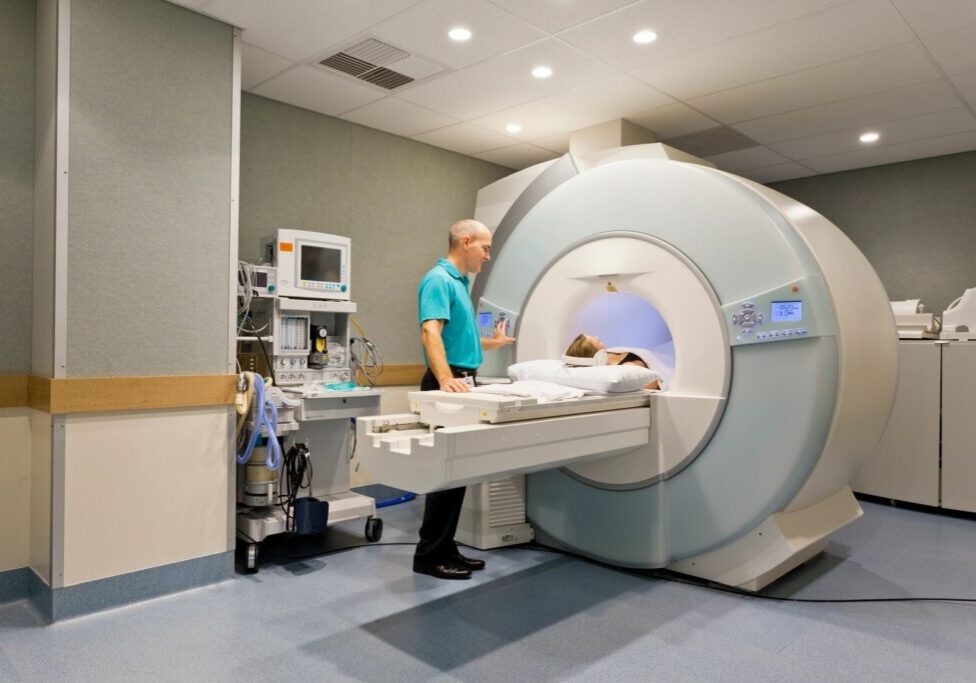
Lease or Own? Choosing the Smart Path for Your Business Equipment Strategy
Forklifts, servers, medical imaging systems, CNC machines—equipment powers progress. But whether you're launching a startup or scaling a seasoned company, one big question looms: Should you lease or purchase? The decision isn’t just financial—it’s strategic. Leasing and purchasing each offer unique...

Turning Invoices Into Opportunity: The Power of Factoring Trade Receivables
Cash flow is the lifeblood of any business. But when customers take 30, 60, or even 90 days to pay, that lifeblood slows to a trickle. Enter factoring—a financial strategy that transforms unpaid invoices into immediate working capital. Whether you're a...
Signed, Sealed…Stuck? Navigating the Legal Minefields of Commercial Equipment Leasing
Leasing commercial equipment—whether forklifts, MRI machines, industrial ovens, or servers—can be the smart choice for growing businesses. But every lease carries legal strings. What seems like a straightforward agreement can quickly turn into a complicated tug-of-war if key terms go...

True Sale, Real Protection: Understanding the Legal Backbone of Commercial Asset Transfers
In the world of finance and asset-backed transactions, not all sales are created equal. When a business sells receivables, loans, or other financial assets, the legal classification of that transfer matters—a lot. If the transaction is deemed a true sale, the...